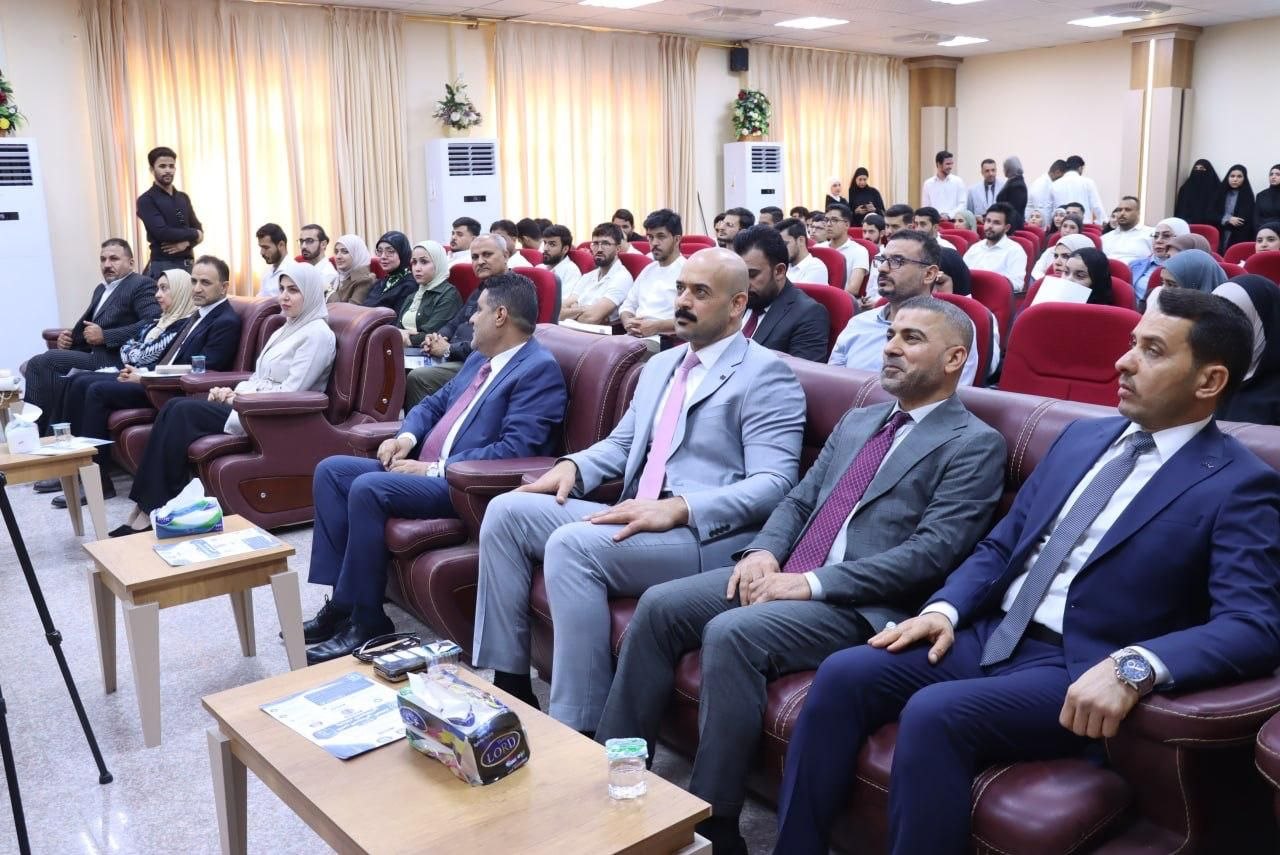
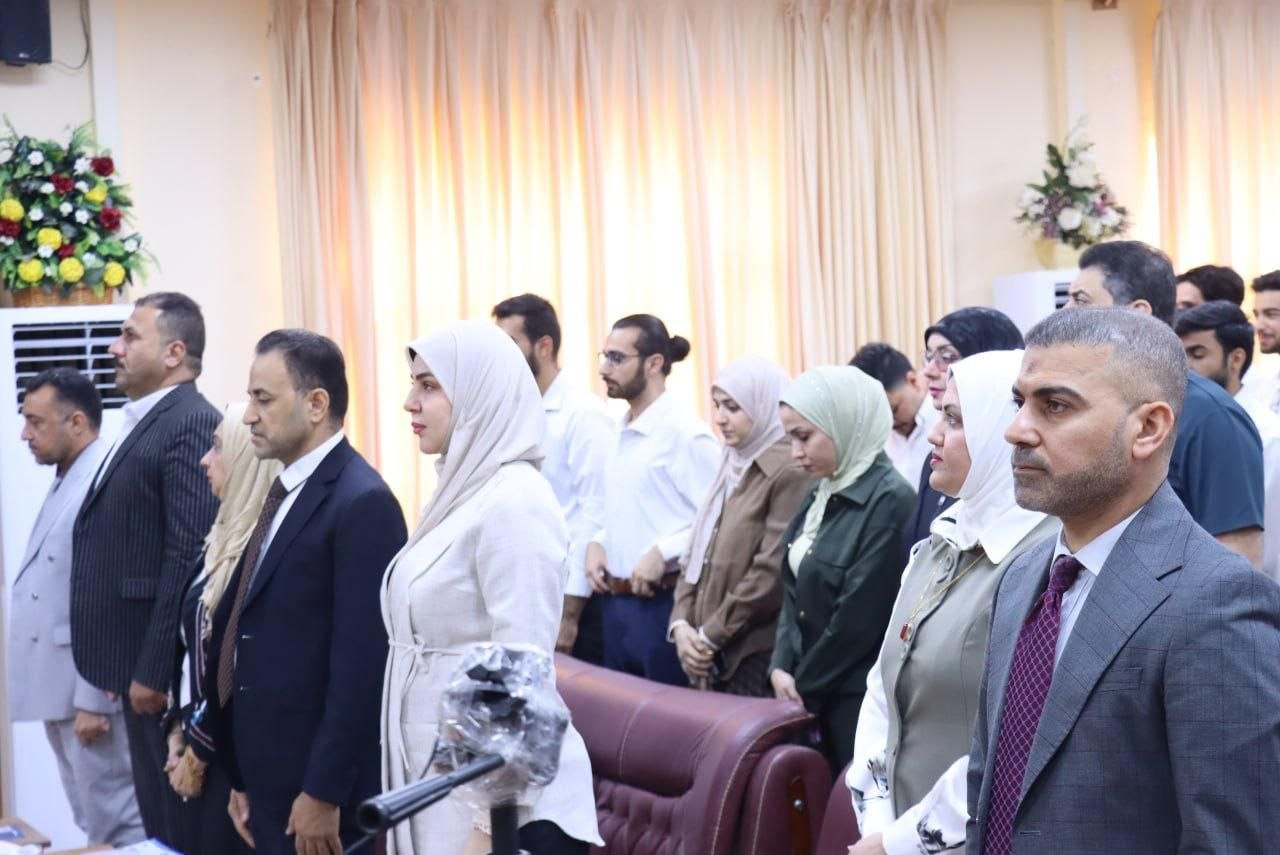
The Department of Computer Science at the College of Computer Science and Information Technology, University of Basrah—in collaboration with the Qualification, Employment, and Follow-up Unit and the Continuing Education Unit, and under the supervision of the Science and Technology Parks Department—held a scientific workshop titled "AI-Enhanced Cyber Defense." The event was attended by various government, security, and academic figures, as well as representatives from the private sector.
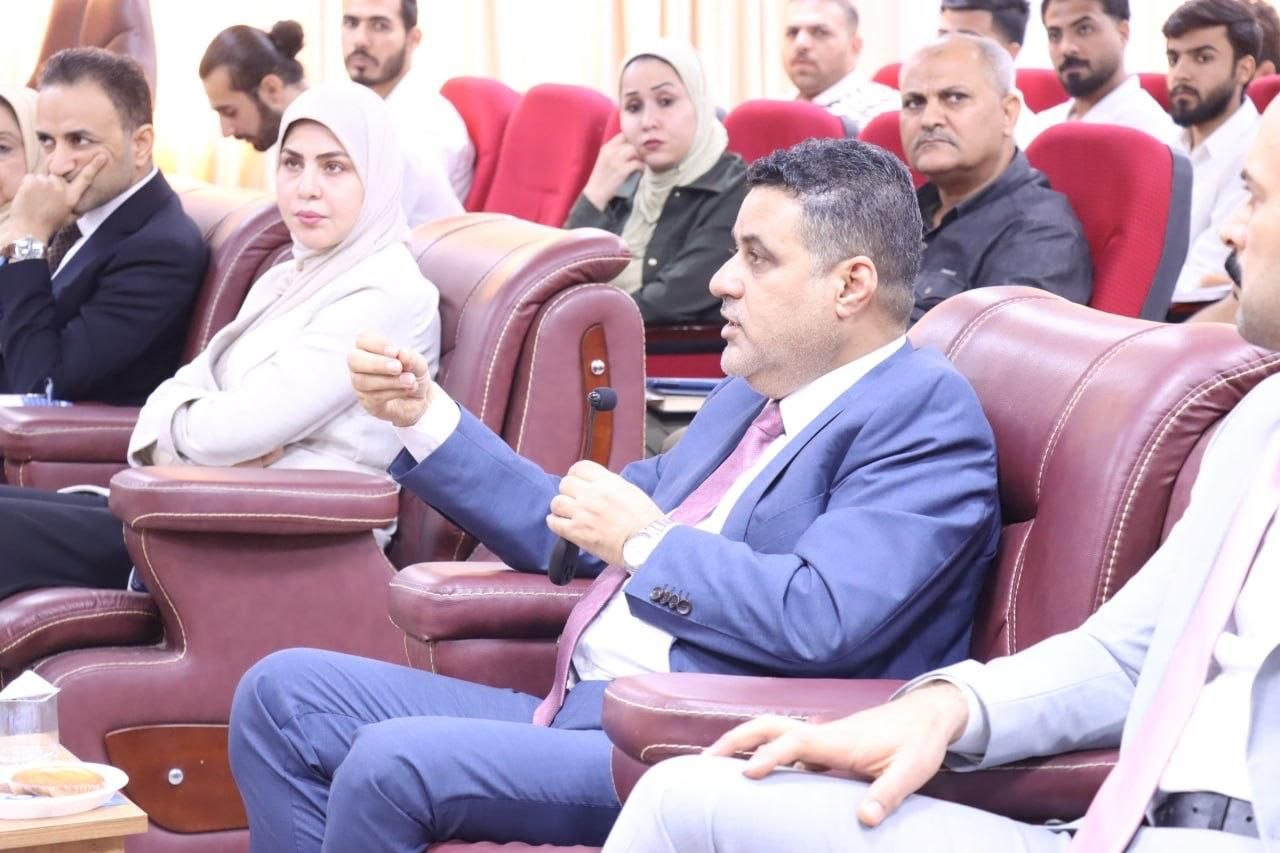
Notable attendees included Dr. Aqeel Al-Furaiji, Head of the Security Committee in Basrah Governorate; Ms. Atyaf Al-Tamimi, Head of the Investment Committee at the Basrah Provincial Council; Brigadier General (Legal) Ahmed Al-Hajjaj, Assistant Director of the National Security Service; Brigadier General Hassan Dakhil; Captain Ahmed from the Minister’s Office (Ministry Operations Department); and Lieutenant General Ahmed Omran, Head of the Military Academy. Also in attendance were representatives from the Basrah branch of the telecommunications company Zain: Mr. Abdullah Al-Battat, Mr. Nizar, and Ms. Riya.
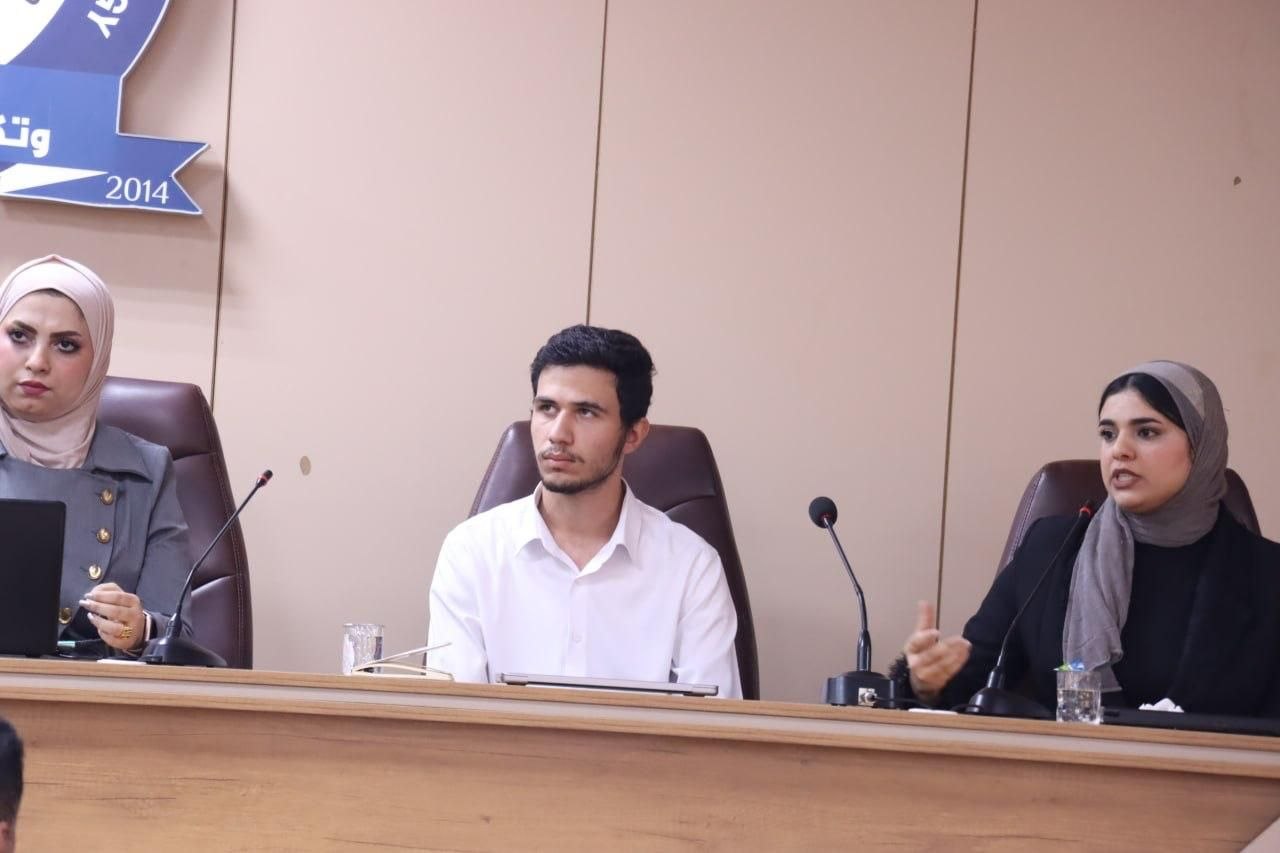
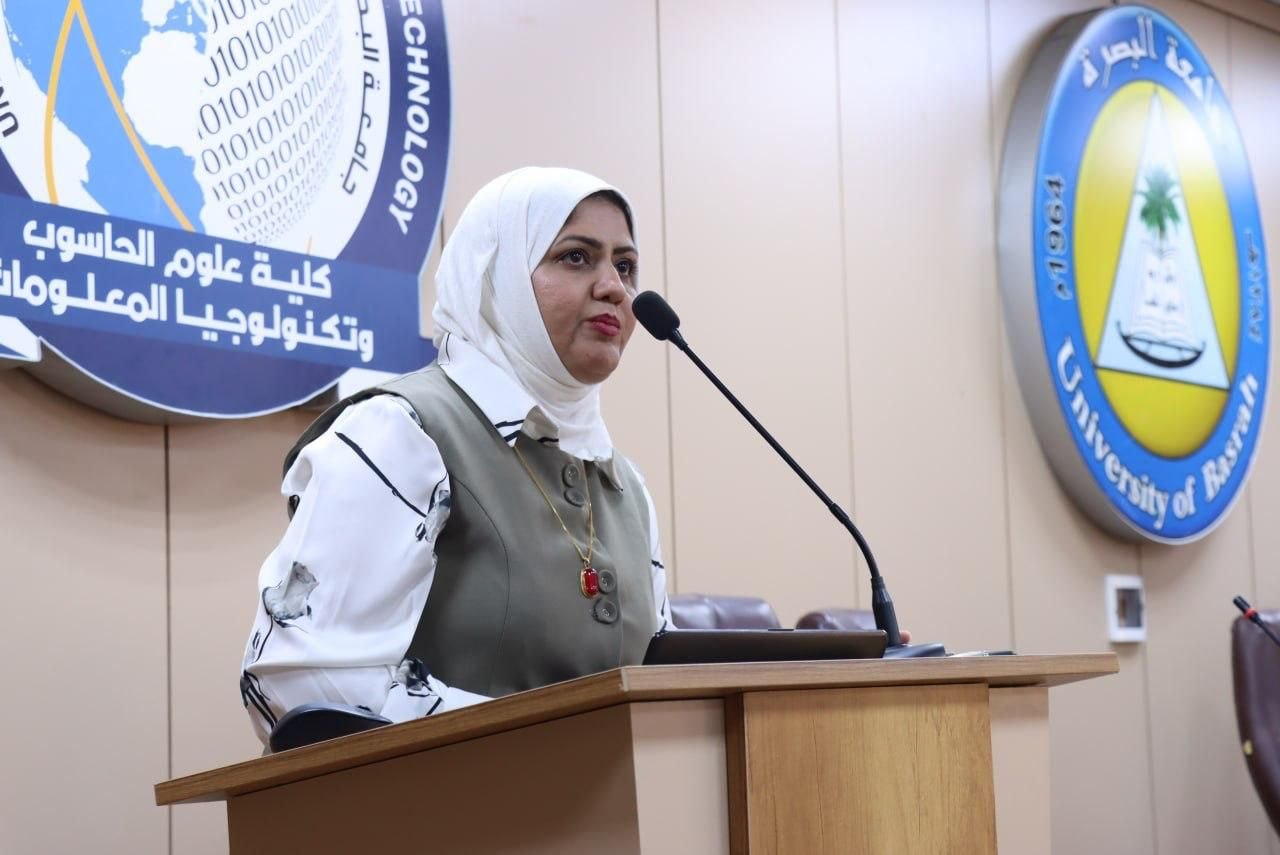
The workshop featured presentations by Professor Diaa Al-Jumaily, Advisor to the Prime Minister, and Assistant Professor Saba Abdul-Wahid Saddam, Head of the Department of Computer Science. The sessions explored the subject of cyber defense, the role of artificial intelligence technologies in strengthening digital security, strategies for countering cyber threats and attacks, and the importance of leveraging modern technologies to protect data and information. The workshop also featured a student project presented by Sarah Ahmed Abdul Razzaq, Zainab Aziz Ibrahim, and Abbas Abdul Karim Ismail. Their project focused on AI-enhanced cyber defense, reflecting an initiative to support student innovation and encourage the application of academic knowledge toward the development of technical solutions.
The workshop aimed to raise awareness about cybersecurity and highlight the role of artificial intelligence in protecting digital systems. Furthermore, it sought to encourage students to develop innovative projects that keep pace with technological advancements, while fostering collaboration between academic institutions, security agencies, and the private sector.


Important News

viewed most